

Diet plays a very important role in health. In 2019, it was reported that, one in five deaths are associated with wrong diet. This ratio is equivalent to 11 million deaths annually – which is 20% of the world’s total deaths. Not only wrong diet is responsible for these deaths, but also the dietary habits that many practice in their day to day living. These simple but detrimental habits contribute as causes of many diseases that humanity is suffering today. All need to understand that dietary lifestyle is governed by certain dietary laws. Obedience to these laws leads to a healthy life which is almost free from disease. In this article we are going to consider these dietary laws under the sub-topics listed below:
What must I eat?
The diet question demands a serious global attention. If 20% of all the deaths in the world is caused by wrong diet, then it is very imperative that the question of what we eat must be addressed. Through the eating of right kind of foods, 20% or 11 million deaths in the world might be prevented.
In order to know what the best foods are, we must study God’s original plan for man’s diet. He who created man and who understands his needs appointed Adam his food. “Behold,” He said, “I have given you every herb yielding seed, . . . and every tree, in which is the fruit of a tree yielding seed; to you it shall be for food.” Genesis 1:29. Upon leaving Eden to gain his livelihood by tilling the earth under the curse of sin, man received permission to eat also “the herb of the field.” Genesis 3:18. Both before and after the fall of Adam to sin, God instructed him to eat food that comes from the earth. Why did God give Adam instruction to eat food that comes from the soil? Adam was created out of the earth, he was earthy. We read in the Bible that, “The LORD God formed man of the dust of the ground, and breathed into his nostrils the breath of life; and man became a living soul” (Genesis 2:7).
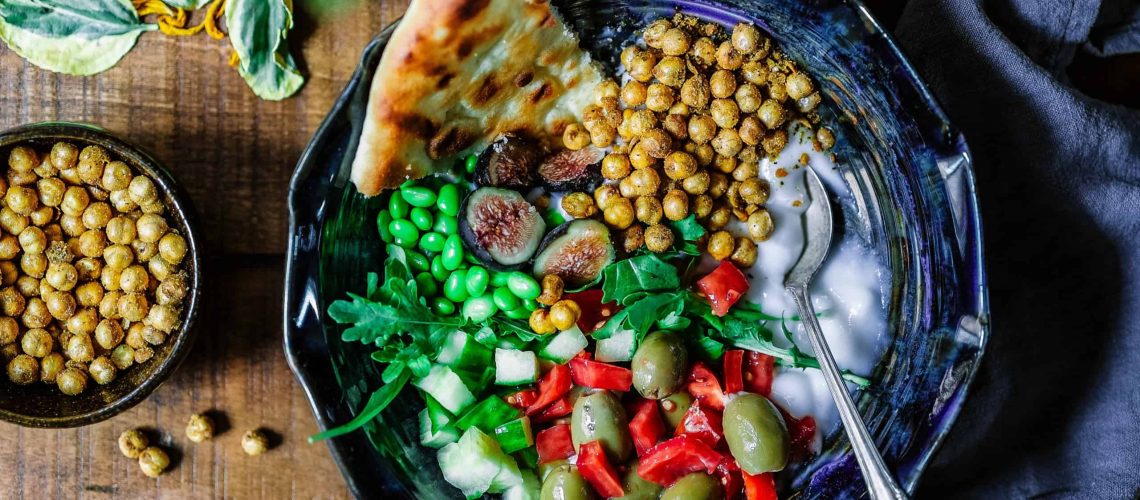
The diet given to Adam was to constitute grains, fruits, nuts, and vegetables. God gave him these foods because he was of the earth and the only foods that could sustain and perpetuate his life were to come from the earth. The same material with which he was made, he must use to nourish his body and repair the broken tissues. But mankind has drifted away from the plan of God. Flesh meats, processed and refined foods, artificial beverages with chemical additives, dairy milk and its products, and fast foods prepared in an unhealthy manner, now form a greater part of what constitutes the diet today; and these foods have brought with them a train of diseases that are killing many in the world.
In 2017 the following report was published by the National Institution of Health (NIH) – “The highest percentage of cardiometabolic disease-related death (9.5%) was related to excess consumption of sodium. Not eating enough nuts and seeds (8.5%), seafood omega 3 fats (7.8%), vegetables (7.6%), fruits (7.5%), whole grains (5.9%), or polyunsaturated fats (2.3%) also increased risk of death compared with people who had an optimal intake of these foods/nutrients. Eating too much processed meat (8.2%), sugar-sweetened beverages (7.4%), and unprocessed red meat (0.4%) also raised the risk of heart disease, stroke, and type 2 diabetes-related deaths. We see in this report that, people are dying because of not eating adequate foods that come from the soil – grains, fruits, vegetables, and nut (nuts include all nuts, legumes and seeds).
How must I eat?
It is not important to know only what you must eat, but you must know how you must eat. As mentioned above, many diseases are caused or aggravated by bad dietary habits. Under this subheading we are going to address some of the simple habits, which if corrected, might prevent many diseases.
Consumption of refined carbohydrates. Refined carbohydrates – white bread, pizza dough, pastries, white polished rice, pasta, sweet desserts, sugar and many breakfast cereals lead to a rapid secretion of gastric acid. This acid is normally buffered by the protein content of a food substance. In the case of refined carbohydrates bran and fiber have been removed through the refining process, with the end result being excess gastric acidity. In this class of food sugar is the worst offender since it does not have any real substances whatsoever for the acid stimulated to work upon. This is one of the causes of peptic ulcers, acid reflux, and heartburn. In case you are already suffering from these conditions try our, Digest-Active Complex, Royal Mix Detox powder or liquid and Liver Tonic Tea.
Another evil which results from consuming refined carbohydrates is rapid absorption of glucose. Accumulation of sugar demands the secretion of more insulin into the blood. Insulin converts excess glucose into fat, and this fat is stored in the adipose tissues in different parts of the body. This leads to obesity. Obesity is often accompanied by diabetes, hypertension, heart disease, and stroke. Whole complex carbohydrates are more preferable over refined simple carbohydrates.
Overeating. Nearly all the members of the human family eat more than the system requires. If more food, even of a simple quality, is placed in the stomach than it requires, the surplus becomes a burden, and the system makes a desperate effort to dispose of it. The digestive organs should never be burdened with the quantity or quality of food which it will tax the system to appropriate. All that is taken into the stomach, above what the system can use to convert into good blood, clogs the system; there is indigestion, fermentation, acid reflux, and gas. Overeating also leads to obesity. All must practice the habit of leaving the dining table before the stomach is feeling full.
Drinking at meals. Taken with meals, water diminishes the flow of digestive fluids; and the colder the water the greater the injury to the stomach. Ice water or cold fizzy drinks, drunk with meals, will arrest digestion until the system has imparted sufficient warmth to the stomach to enable it to take up its work again. The more liquid there is taken into the stomach with the meals, the more difficult it is for the food to digest; for the liquid must be first absorbed so that the digestive enzymes are able to act upon the food. Too much salt, bottled pickles, and hot spices must be avoided. These cause a burning irritation on the lining of the stomach which demands water to be cooled. Hot beverages must not be drunk except in the form of medicine. Hot beverages weaken the digestive system. Water or any other liquids must be taken about thirty minutes or more before, or an hour or more after meals.
Chew your food and avoid hasty eating. The benefit you derive from your food does not depend so much on the quantity eaten, as on its thorough digestion, nor the gratification of the taste so much on the amount of food swallowed as on the length of time it remains in the mouth. Those who would like to avoid indigestion must eat slowly, thoroughly chew their food, allowing it to mix with saliva. Swallowing food without sufficiently chewing it gives the stomach a burden to perform the work of the mouth. Never swallow food without it first becoming watery in the mouth. If your time to eat is limited, do not bolt your food, but eat less, and eat slowly.
When must I eat?
Hunger, the best guide. Food is not to be introduced into the stomach until you are hungry. Hunger is the best guide. It indicates that the system is ready for more food, and the digestive glands have prepared adequate enzymes for the next meal. Hunger comes when the body has burned and used all the food during the process of combustion. The body demands more food so that more energy can be supplied. Appetite is not the best guide. Through wrong habits of eating, appetite has become perverted. Often it demands food that impairs health and causes weakness instead of strength.
Snacking between meals. After disposing of one meal, the digestive organs need rest. At least five or six hours should lapse after a meal of protein, fats, and carbohydrates, an hour and half after a fruit meal, and two to two and half hours after a vegetable meal. The stomach must have careful attention. After it has done its work for one meal, more food must not be introduced into it, not even an apple, a nut, or any kind of fruit, before it has had a chance to rest, and before a sufficient supply of gastric juice is provided. If food is eaten too soon after a previous meal its normal digestive process is disturbed; indigestion, fermentation, flatulence, and constipation occur.
Late meals. The stomach, when you lie down to rest, should have its work all done, that it may enjoy rest, as well as other parts of the body. The work of digestion should not be carried on through any period of the sleeping hours. Most people enjoy better health while eating two meals a day than three; others, under their existing circumstances, may require something to eat at supper time; but this meal should be very light, and taken several hours before going to bed. When food is eaten immediately before bed, the digestive system is forced to work through the sleeping hours. The sleep is generally disturbed with unpleasant dreams, and in the morning you awake unrefreshed.
Eating too late at night may increase your acid reflux, obesity, diabetes, and heart disease. A meal of protein, fats, and carbohydrates must be taken about five or six hours before retiring to bed, two hours for a fruit meal, and three hours for a vegetable meal. It is also important to keep snacks out of sight. Keeping snacks in sight leads to craving. Instead of eating snacks, develop a habit of taking herbal teas between meals and before sleeping. Nerve Tonic Tea is a good product that induces sleep and calms the nerves. You can also take Moringa which helps to supply the system with important nutrients and cleanses the blood. Digest-Active Complex helps to stimulate the production of digestive enzymes, calms and soothes organs of digestion.
Eating while traveling. When traveling, some are almost constantly nibbling, if there is anything within their reach. This is a most pernicious practice. I have traveled at night using public transport. At every station where the bus stops, people go out to buy food to eat. I have seen people buying and eating food at 12 midnight, and asked myself if they do the same in their homes. Do they get out of bed at midnight and prepare food to eat? The habit of eating continuously when traveling leads to indigestion, fermentation, and blotting. After their journey, some experience constipation which lasts for several days if not weeks. Eat a light meal before your journey and nothing while traveling. Drink fruit juices or water along the journey.
Why must I eat?
Eat to nourish the body not to satisfy taste. While taste or food flavor is important, it is not to be the only reason why you must eat. Our bodies are built up from the food we eat. There is a constant breaking down of the tissues of the body; every movement of every organ involves waste, and this waste is repaired from our food. Each organ of the body requires its share of nutrition. The brain must be supplied with its portion; the bones, muscles, and nerves demand theirs. It is a wonderful process that transforms the food into blood and uses this blood to build up the varied parts of the body; but this process is going on continually, supplying with life and strength each nerve, muscle, and tissue. Those foods should be chosen which best supply the elements needed for building up the body.
It is a mistake to suppose that muscular strength depends on the use of animal food. The needs of the system can be better supplied, and more vigorous health can be enjoyed, without its use. The grains, with fruits, nuts, and vegetables, contain all the nutritive properties necessary to make good blood. These elements are not so well or so fully supplied by a flesh diet. The diet of the animals is vegetables and grains. Must the vegetables be animalized, must they be incorporated into the system of animals, before we get them? Must we obtain our vegetable diet by eating the flesh of dead creatures? No. We are to get all the nutrients directly from the foods that God has furnished for us upon the earth.
Eating to the glory of God.
The Bible is not silent regarding our eating habits. We read, “Whether therefore ye eat, or drink, or whatsoever ye do, do all to the glory of God” (1 Corinthians 10:31). Every article of food that you put into the mouth must be to the glory of God. To eat to the glory of God is to eat foods that will not injure, weaken, or introduce disease to the body. At meal-time cast off care and taxing thought. Do not be hurried, but eat slowly and with cheerfulness, your heart filled with gratitude to God for all his blessings.