

The brain is not the mind but it is the organ of the mind, and the mind is the seat of your will, conscience and reason. “The brain is the capital of the body, the seat of all the nervous forces and of mental action. The nerves proceeding from the brain control the body. By the brain nerves, mental impressions are conveyed to all the nerves of the body as by telegraph wires, and they control the vital action of every part of the system. All the organs of motion are governed by the communications they receive from the brain.” (Mind, Character, and Personality, bk. 1, p. 72)
Diet and the Brain
In order for the other parts of the system to be healthy the brain must be healthy. And in order for the brain to be healthy the blood must be pure. In order for the blood to be pure it must be supplied with the right kind of foods. In this article we are looking at some of the foods and herbs that nourish and strengthen the brain. They prevent the brain cells from aging. These foods and herbs can also prevent and or reverse chronic diseases that affect the brain.
Through a wrong diet, toxins which are harmful to the brain are introduced into the blood. These toxins damage the brain cells leading them to quickly age and exposing them to different types of chronic diseases of the brain. Not only toxins are introduced to the brain by a wrong diet, but the brain also experiences deficiencies of very important nutritional elements that can prevent or reverse diseases related to the brain. Below are some of the best foods and herbs for the brain.
Blueberries
Blueberries, including other deeply colored berries, contain anthocyanins, plant compounds with anti-inflammatory and antioxidant effects. Antioxidants act against both oxidative stress and inflammation, conditions that contribute to brain aging and neurodegenerative diseases. Antioxidants in blueberries also aid communication between brain cells, improve memory and certain cognitive processes in both children and older adults. You can add berries to your breakfast cereals or enjoy them as a smoothie.
Broccoli
Broccoli has powerful plant compounds, including antioxidants. It has a very high content of vitamin K. Vitamin K is essential for forming sphingolipids, a type of fat that is densely packed into brain cells. Studies in older adults have linked a higher vitamin K intake to better memory and cognitive status. Broccoli also contains compounds that have anti-inflammatory and antioxidant effects, which may help protect against brain damage.
Pumpkin seeds
Pumpkin seeds contain powerful antioxidants that protect the body and brain from free-radical damage. Pumpkin seeds are also an excellent source of magnesium, iron, zinc, and copper.
- Zinc is crucial for nerve signaling. Zinc deficiency has been linked to many neurological conditions, including Alzheimer’s disease, depression, and Parkinson’s disease.
- Magnesium is very important in learning and memory. A diet in low magnesium may lead to migraine, depression, and epilepsy.
- Iron has a great role in normal brain function and processes of brain development, including neurogenesis, myelination, and synaptic development, energy and neurotransmitter metabolism. Iron deficiency is often characterized by brain fog and impaired brain function.
- Copper helps control nerve signals. Copper deficiency leads to a risk of neurodegenerative disorders, such as Alzheimer’s
Nuts
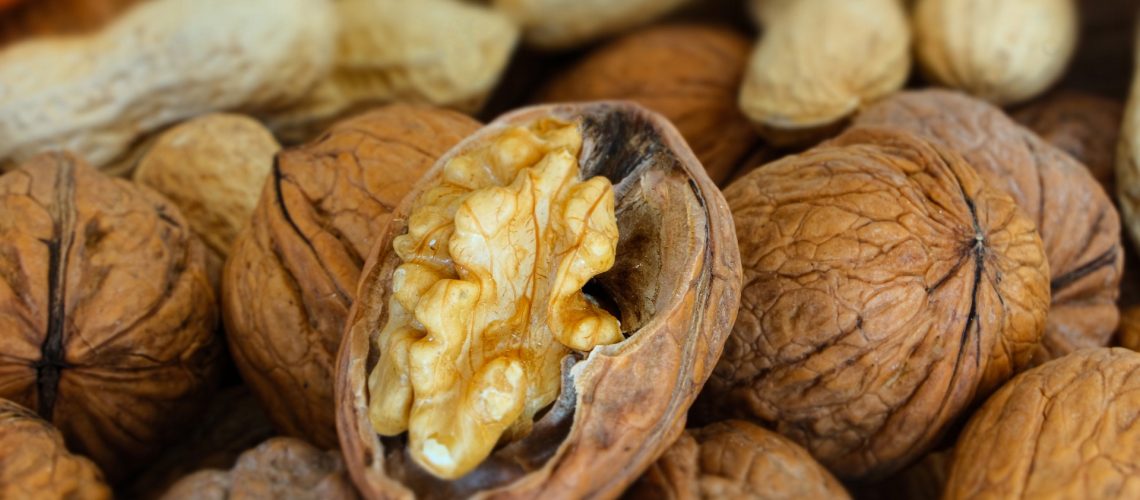
Nuts have healthy fats, antioxidants, and vitamin E, which are beneficial to brain health. Vitamin E protects cells against free-radical damage, and help slow mental decline. Walnuts contain omega-3 fatty acids. Omega-3 fatty acids are very essential for learning and memory, prevent and reverse depression, they slow age-related mental decline. A study done in 2014 found that women who ate nuts regularly had a greater memory compared with those who did not eat nuts. Another study showed that that regular consumption of nuts could be linked to a lower risk of cognitive decline in older adults.
Oranges
Oranges are a rich source of Vitamin C. Vitamin C is a key factor in preventing mental decline. A study was conducted which showed that, high levels of vitamin C in the blood showed improvements in tasks involving focus, memory, attention, and decision speed. Vitamin C helps fight free radicals that can damage brain cells. It supports brain health as you age. Vitamin C may protect against conditions like major depressive disorder, anxiety, schizophrenia, and Alzheimer’s disease.
Turmeric
Turmeric is a very potent antioxidant and anti-inflammatory compound. A chemical called curcumin in turmeric has been shown to cross the blood-brain barrier and directly enter the brain cells. It helps to improve memory in people with Alzheimer’s, and also helps clear the amyloid plaques that are attributed to Alzheimer’s. Curcumin boosts serotonin and dopamine, both of which improve mood. It also improves symptoms of depression and anxiety, boosts brain-derived neurotrophic factor, a type of growth hormone that helps brain cells grow. It help delay age-related mental decline. Try our products, Royal Mix Detox powder or liquid with turmeric as one of the ingredients.
Sage
Sage essential oil contains cineole and thujone which provide brain-boosting properties. Sage also has flavonoid glycosides, flavones, niacin, oleic acid and tannic acid that are good for brain health. It improves concentration, increases mental alertness, attention span, and memory. A 2003 study published that sage extract is good for Alzheimer’s disease. Women using our product, Women’s Tonic Tea, will benefit from sage which is part of the ingredients in the tea.
Ashwagandha
Ashwagandha is also known as Indian ginseng. In 2020, the National Library of Medicine published a report regarding the results of a research which was done on Ashwagandha. It was found that it contains sitoindosides VII-X, withaferin A, withanosides IV, withanols, withanolid A, withanolid B, anaferin, beta-sitosterol, and withanolid D. These phytoconstituents were identified as neuroprotective, with effects on brain disorders, mainly anxiety, Alzheimer’s, Parkinson’s, Schizophrenia, Huntington’s disease, dyslexia, depression, autism, attention deficit hyperactivity disorder, and bipolar disorders. It also has ability to rejuvenate the brain, helps to remove amyloid proteins which affect cognitive function in the brain, promotes neurogenesis to enhance brain power, decreases oxidative brain stress, improves memory, boost spatial and visual memory, and reduce nerve cell degeneration. A study done in 2005 published that Ashwaganda has ability to regenerate neurites and synapses in damaged neurons. Men can benefit from ashwagandha which is included in Men’s Tonic Tea.
Rosemary
Rosemary contains carnosic acid, rosmarinic acid, and acetylcholine, which are antioxidants that improve brain health. Acetylcholine works as an essential transmitter of neural signals. Rosemary also contains memory-boosting properties. Essential oils from rosemary improve accuracy of memory and speed information processing. Rosemary calms the brain nerves and is good against headaches and migraine. Nerve Tonic Tea is created especially for brain health, as well as the entire nervous system.
Value your Brain
The only organ for thinking and making decisions that there is in your body is the brain. Thinking and making decisions are lifetime processes that you need as long as you live. Imagine how it would be if you were to stop thinking or making decisions. Imagine your brain shutting down and stops working. Without a working brain, would your eyes see, your ears hear, your tongue taste, your teeth chew, and your digestive system work? Would your legs and arms move? In short, would you remain alive? Think about these questions and do all that you can to keep your brain healthy.