
“What is health?” is the question that is often asked in health lectures or seminars. It is important to know what health is, but more than this, it is important to be healthy. There are many who can define what health is, and yet many are wanting in health, they don’t have it. Because of this, we have decided to compile a series of articles under the heading, “Understanding Health.” In these articles we will be looking at different aspects of health, and what one can do to preserve his or her own body in the best health condition.
God’s desire for our well-being
“Beloved, I wish above all things that thou mayest prosper and be in health, even as thy soul prospereth.” (3 John 1:2)
Above all things, God desires us to ‘be in health’ (3 John 2) – health of body, of mind, and of spirit. And we are to be workers together with Him for the health of spirit, mind, and body. But while God desires us to be in health, many are working contrary to the desire of God by treating their bodies recklessly through the violation of the laws of health.
What is health?
Health is the harmonious development and function of spiritual, mental, and physical faculties. This definition brings to view 3 dimensions of being – spiritual, mental, and physical. These 3 dimensions are to receive equal attention in their development; and they are to work harmoniously so that the body can be kept in the best condition of health. In their constitution, World Health Organization (WHO) states that, “Health is a state of complete physical, mental, and social well-being and not merely the absence of disease or infirmity” – Constitution of the WHO (April 7, 1948). WHO states physical, mental, and social. So, we have social dimension added to the 3 that were stated in the first definition. According to these definitions, balance is the secret of well-being.
During the 19th century, a North American author named Ellen White wrote, “It is the lack of harmonious action in the human organism that brings disease… All parts of the system must work harmoniously.” – Counsels on Health, p. 587, par. 1 (Pacific Press Publishing Association). In page 592 of the same book she wrote, “In order to do its work properly, the human machinery needs careful attention. The harmonious action of the different parts must be preserved.” We see, according to these statements that, lack of balance in the development and function of the parts of the body leads to disease.
This development is also seen in the life of Jesus Christ, “And Jesus increased in wisdom and stature, and in favour with God and man.” (Luke 2:52). Christ developed in 4 dimensions:
- Wisdom – mental
- Stature – physical
- Favor with God – spiritual
- Favor with man – social
Mental – addresses mental health.
Physical – addresses the physical health, material part of the body. All our physical organs, both the internal and the external organs must be kept healthy.
Spiritual – addresses the spiritual health, our relationship with God the creator of the body and the mind. It has to do with empathy, love, morality, ethics, and social aspects of life.
Social – addresses social health, interpersonal relationships with one another, ability to develop and maintain friendships and relationships.
Ellen White further wrote, “The harmonious, healthy action of all the powers of body and mind results in happiness; the more elevated and refined the powers, the more pure and unalloyed the happiness. We can ill afford to dwarf or cripple a single function of mind or body by overwork or by abuse of any part of the living machinery. So sure as we do this, we must suffer the consequences. It is our first duty to God and our fellow beings to develop all our powers. Every faculty with which the Creator has endowed us should be cultivated to the highest degree of perfection, that we may be able to do the greatest amount of good of which we are capable.” – Counsels on Health, p. 50, par. 1 (Pacific Press Publishing Association)
That time is well spent which is directed to the establishment and preservation of sound physical and mental health. . . . It is easy to lose health, but it is difficult to regain it. Health is a great treasure. It is the richest possession that mortals can have. Wealth, honor, or learning is dearly purchased, if it be at the loss of the vigor of health. None of these attainments can secure happiness if health is wanting.
The importance of blood in health
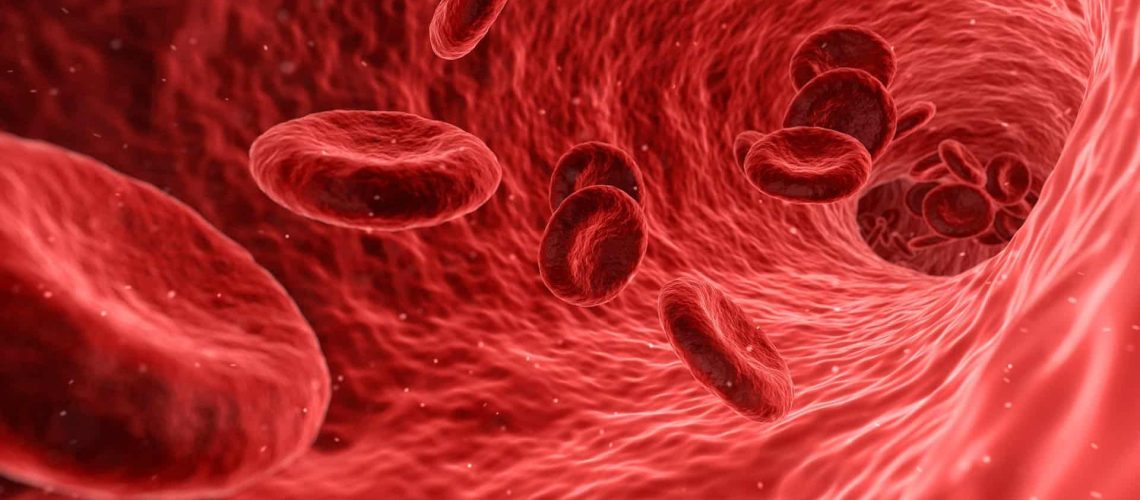
In order to have good health, we must have good blood; for the blood is the current of life. It repairs waste and nourishes the body. The blood consists of 4 main components – red cells, white, cells, plasma, and platelets.
Red blood cells (RBCs) are also referred to as red blood corpuscles, haematids, erythroid, erythrocytes. They are the most common type of blood cells in the human body. Adult humans have around 25 trillion RBCs. They carry oxygen from our lungs to the rest of the body, and carbon-dioxide back to our lungs to be exhaled.
White blood cells are also called leukocytes. They are made in the bone marrow. They account of only about 1% of the blood. Their function is to protect the body against pathogens and diseases. There are many different types of white blood cells:
- Monocytes with a longer lifespan than many white blood cells. Monocytes help to breakdown bacteria.
- Lymphocytes create antibodies to fight bacteria, viruses and invaders.
- Basophils are responsible of sounding an alarm infectious agents invade the blood. They secret histamine, a maker of allergic disease, that help control the body’s immune response. They kill and digest bacteria and fungi.
- Eosinophils attack and kill parasites and cancer cells. They help with allergic response.
Platelets are also known as thrombocytes. They are made in the bone marrow. They help the body form clots to stop bleeding. Platelets live for 8 to 10 days in the blood stream.
Plasma is the largest part of the blood, about 55%. When separated from the rest of the blood, it is light yellow. It carries water, salts, sugar, fat, protein, and enzymes. Its role is to take nutrients and proteins to parts of the body which need them.
Functions of the blood in summary
- Transporting oxygen and nutrients to the lungs and tissues
- Transporting carbon dioxide to the lungs to exhaled
- Forming blood clots to prevent excess blood loss
- Carrying cells and antibodies that fight infections
- Bringing waste products to the kidneys and liver, which filter and clean the blood
- Regulating body temperature
Good and healthy blood
In order to have good health, we must have good blood; for the blood is the current of life. It repairs waste and nourishes the body. When supplied with the proper food elements, it carries life and vigor to every part of the system. Grains, fruits, nuts, and vegetables constitute the diet chosen for us by our Creator. These foods, prepared in as simple and natural a manner as possible, are the most healthful and nourishing. They impart a strength, a power of endurance, and a vigor of intellect. In these classes of are found specific elements that are responsible for building the blood. Iron is one of these elements. Foods that are rich in iron are:
- Blackstrap molasses
- Lentils
- Spinach
- Kale
- Beet greens
- Beans
- Amaranth
- Pumpkin seeds
- Nuts (almonds, cashews, pine nuts, macadamia nuts)
The iron in plant-foods is non-heme iron. Non-heme iron is not readily absorbed by the body. However, vitamin C in plants facilitates the absorption of non-heme. It is less likely for those who subsist on plant foods to experience a deficiency in iron, since vitamin C is present in almost all the fruits and vegetables. Simple grains, fruits of the trees, and vegetables have all the nutritive properties necessary to make good blood. Foods that are rich in vitamin C are:
- Citrus fruits, such as oranges, lemons, limes
- Bell peppers
- Strawberries
- Broccoli
- Brussels sprouts
- Leafy greens
- Tomatoes
- Sweet and white potatoes
Bad and unhealthy blood
Wrong diet contributes to unhealthy blood. Unhealthy blood contributes to disease. Flesh meats, butter, cheese, rich pastry, spiced foods, and condiments are freely partaken of by both old and young. The blood making organs cannot convert such things into good blood. The Lancet reports that between 1990 and 2017: 11 million deaths were attributed to dietary risk factors. 3 million deaths were due to high intake of sodium; 3 million deaths, low intake of whole grains; 2 million deaths, low intake of fruits. Diseases like stroke, cancers, hypertension, diabetes, heart disease, obesity, bone problems, allergies, respiratory disorders, gastrointestinal disorders, and many more are caused, or aggravated by wrong diet. If the issue of diet can be addressed, many diseases could be conquered and many saved from death.
Conclusion
In order to have good health, we must have good blood; for the blood is the current of life. We are what we eat; and the condition of our health depends on the choices we make. In our next articles we shall be looking at the dimensions of being in relation to health.